


Goodbye, Andreas
Prof. Dr. Andreas Brandenberg is the founder and programme director of the Master’s programme in Applied Information and Data Science at Lucerne University of Applied Sciences and Arts. He launched the programme in 2018 and has spent the last eight years developing and shaping it. End of August 2026, he will step back and hand over leadership to two incoming directors.
Shortcuts:
DTTI | Contribution | Fit | Benefits | Programmes | Future | Links | Programme Information | Contact
From a Eureka Moment to a New Degree Programme
In 2018, the MSc in Applied Information and Data Science was founded – with Prof. Dr. Andreas Brandenberg at the helm of a founding team that shared a common vision. As is so often the case with milestones, it began with a shared eureka moment: at a workshop in Amsterdam, alongside fellow participants of the Horizon 2020 project EDISON, he recognized that data science was far too often treated as a purely technical discipline. Yet data science must ultimately create value: economic value, ecological value, social value, and even cultural or artistic value. It is, at its core, interdisciplinary. And a good data scientist has to think the same way in order to do what truly defines the profession: ask the right questions of data. Bringing this essence of the data science profession to the forefront has been Brandenberg’s driving motivation ever since.
Eight Years of Encounters and Achievements
After eight eventful years as head of the programme, Brandenberg can look back on a wealth of valuable encounters and achievements.
Among them are his trips to India – whether as part of educational partnerships, collaborations with leading companies, outstanding institutions and top-tier leaders, or visits with student groups for exchange and joint projects.
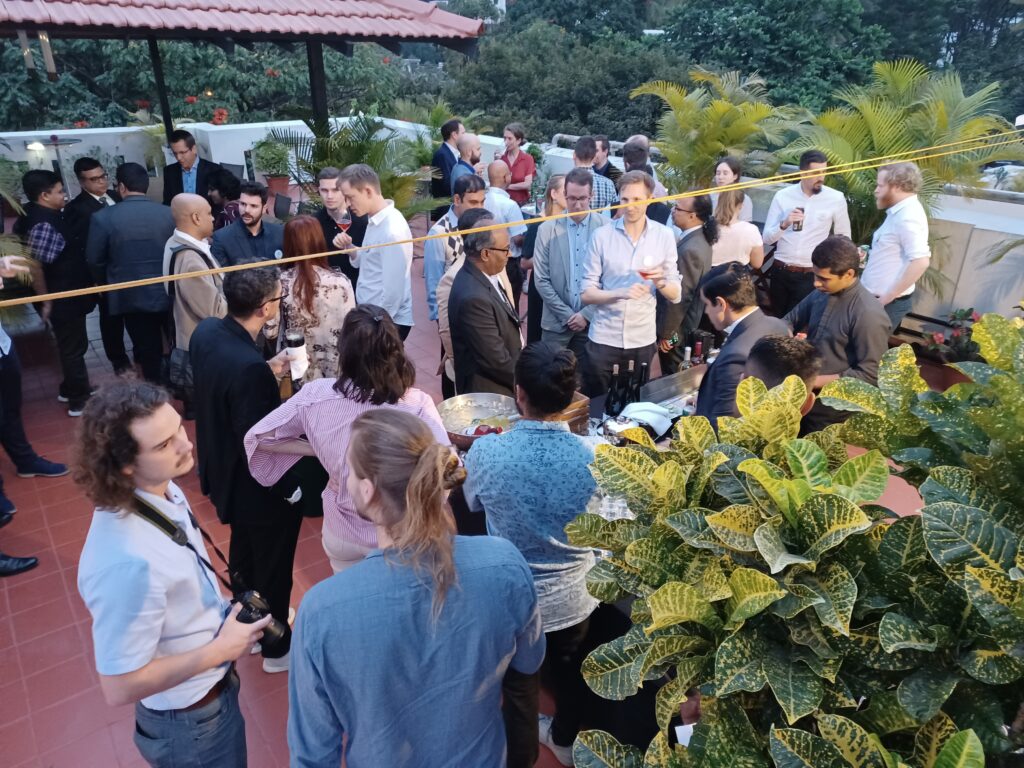
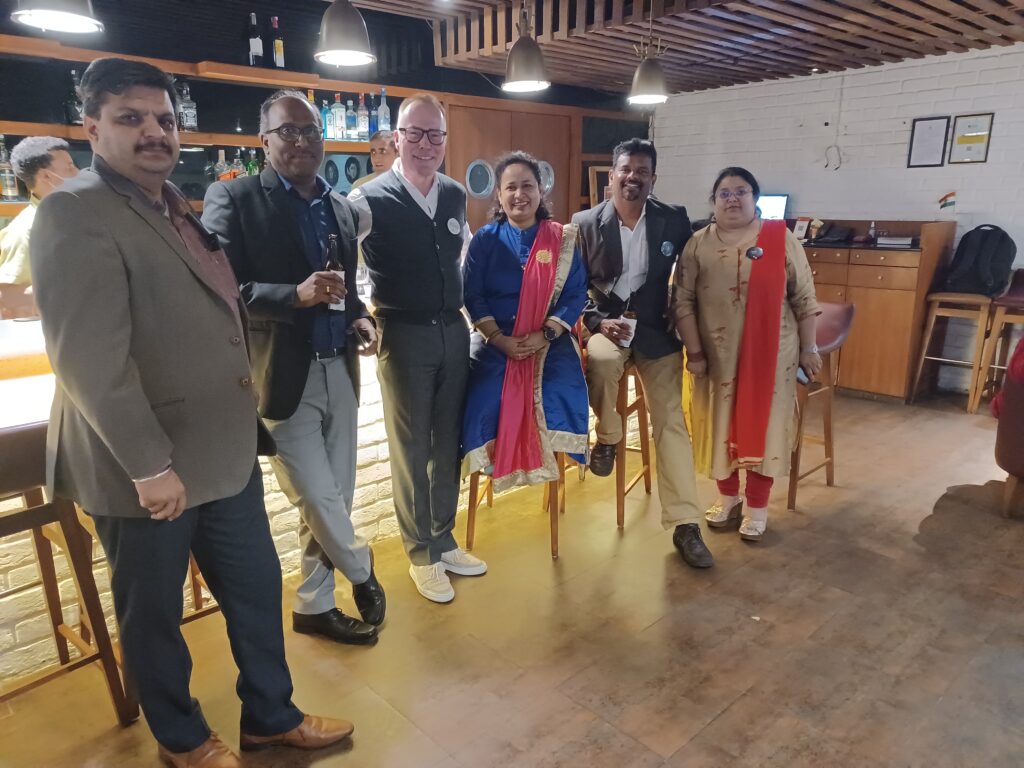
“I’ve been lucky enough to always be surrounded by great people, and to have had a top team by my side throughout all these years,” Andreas reflects on his time in the role.
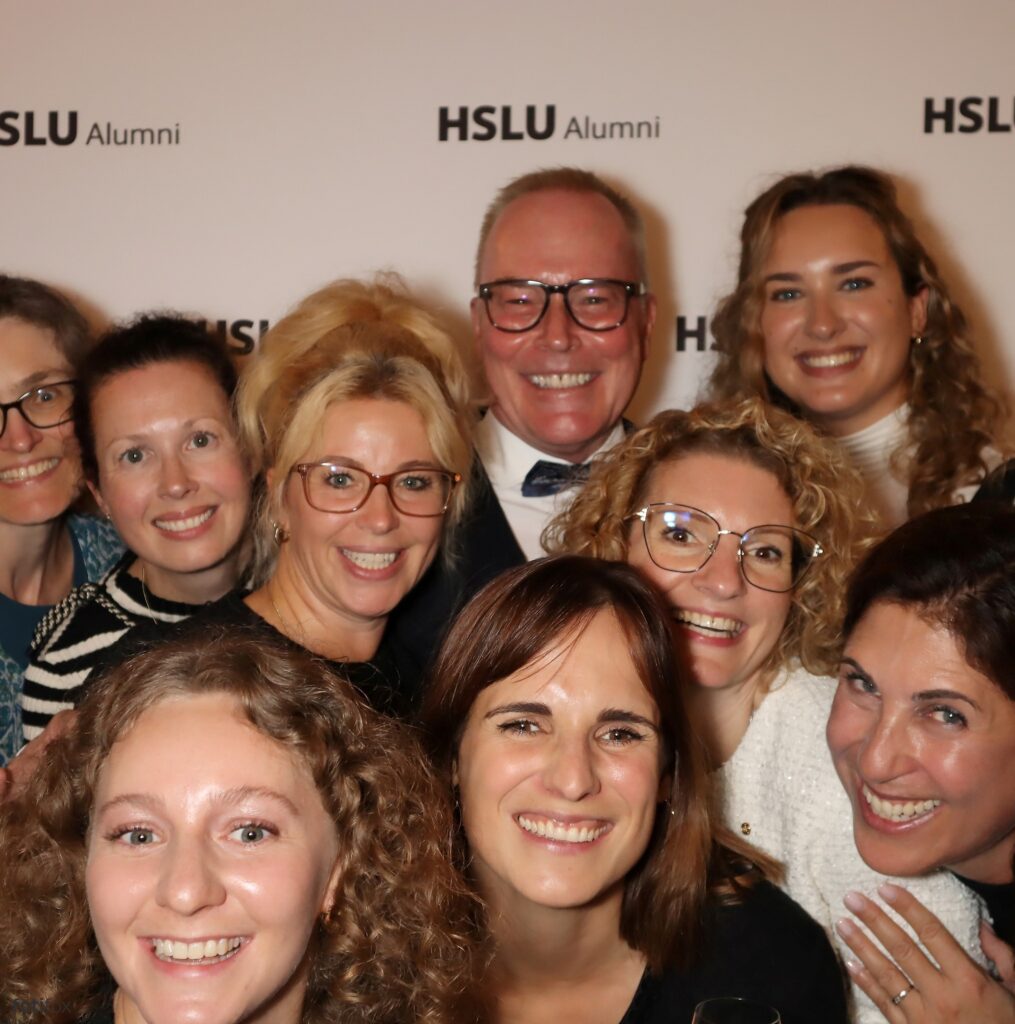
That includes the core team behind what was then called the MSc in Applied Information and Data Science, as well as valued colleagues such as Dalith Steiger. A special mention belongs to Dean Prof. Dr. Christine Böckelmann, who believed in the programme from day one – taking a leap of faith on the experiment and helping carry it forward as Dean of the Lucerne School of Business. Her support, along with that of the heads of the university and the department throughout the years, was instrumental in shaping the programme into what it is today.
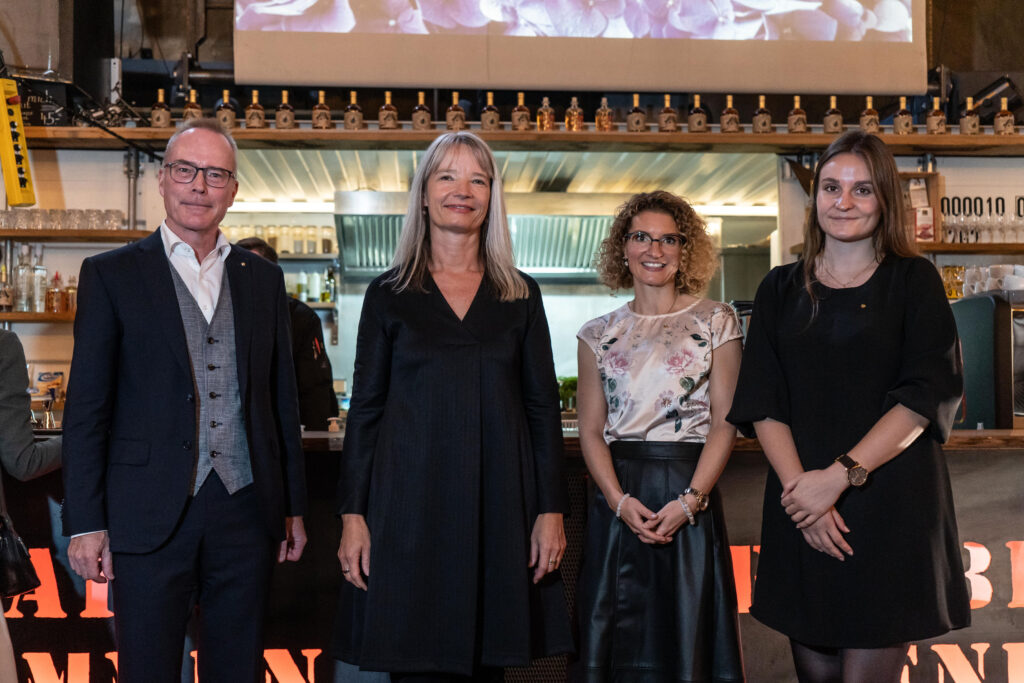
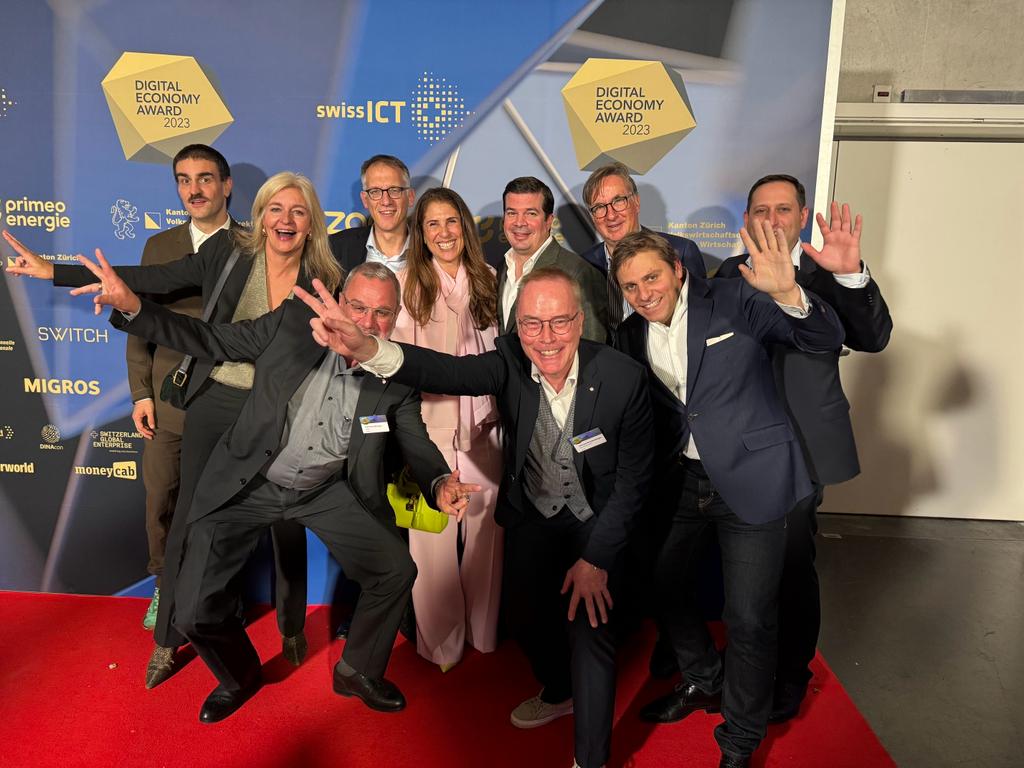
Over the years, Andreas also lent his expertise to various juries, including the Digital Economy Award. For him, this was never just an obligation – the exchange with fellow jurors was a constant source of inspiration, opening up fresh perspectives from across the industry.
A Programme That Attracts Unique Minds
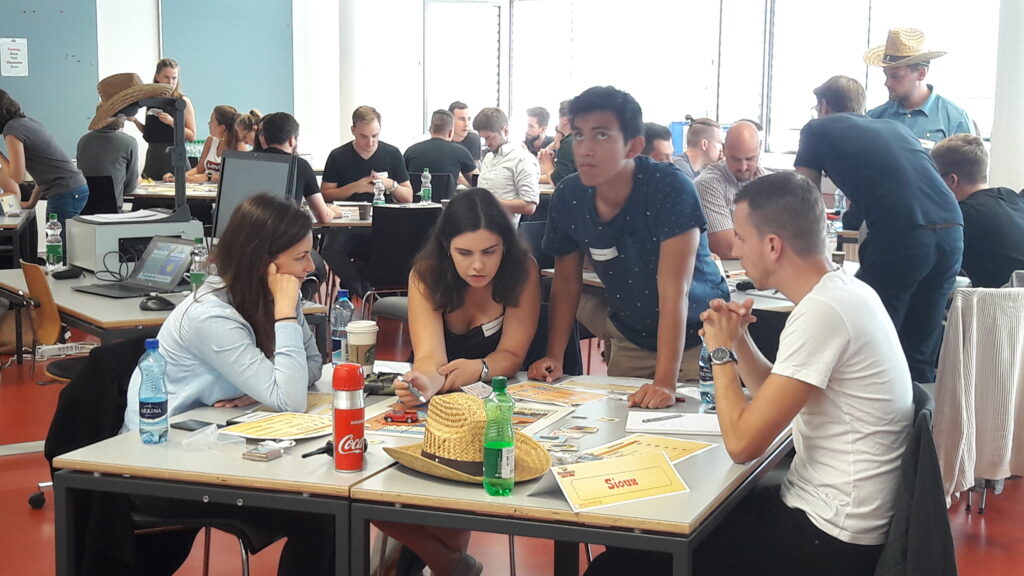
But Andreas speaks with just as much admiration about his students as he does about his colleagues. Even with the very first cohort back in 2018, he noticed what unique personalities the programme tends to attract – students who were remarkably clever and driven, qualities that continue to define the programme’s students to this day.
What comes next?
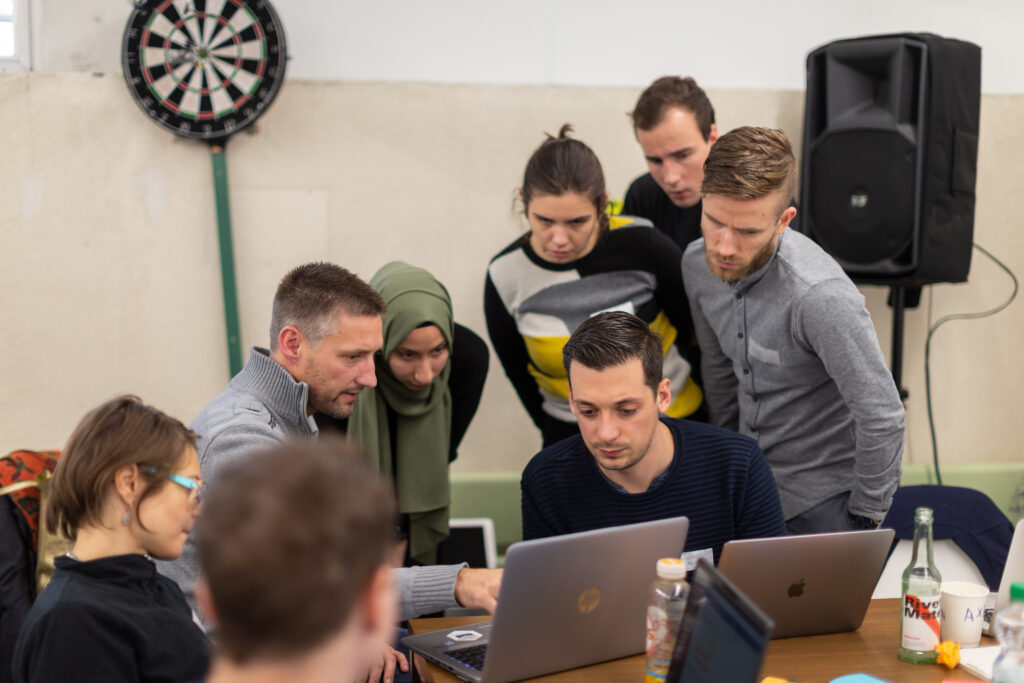
Guided by the same practice-oriented mindset that has shaped the programme from the start, Brandenberg went on to found bydo, a Lucerne-based non-profit association where students tackle real challenges brought in by companies, gaining hands-on experience. The goal: a smoother transition from studies into the professional world, backed by practical skills, not just theory.
As Andreas puts it: “Universities spend far too much time explaining how a car works, when what people really need to learn is how to drive it.” This conviction has also shaped his approach to the programme itself, where he has always advocated for bringing together people from a wide range of backgrounds. With bydo, Andreas deliberately set out to shift parts of the programme out of the classroom and into practice.
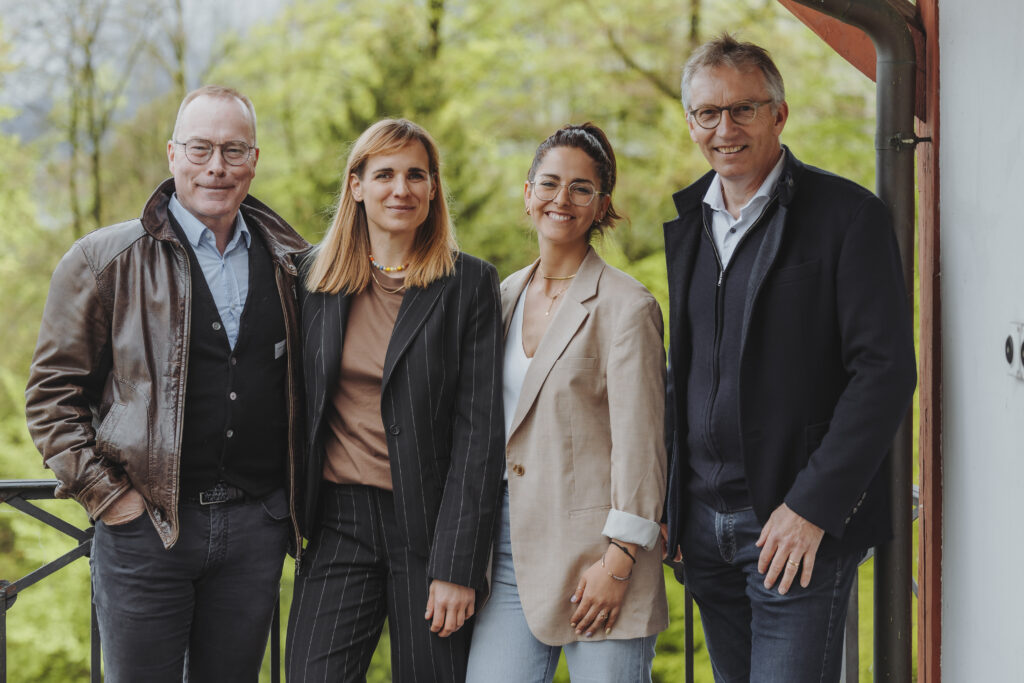
Going forward, he’ll dedicate even more of his time to this project – continuing to support talented young professionals with valuable connections and hands-on experience.
Interview: The Journey of the MSc in Applied Information and Data Science
In the interview that follows, Andreas looks back on his time as Head of the Degree Programme, shares some of the moments that shaped him along the way, and talks about what comes next:
How did the idea for this programme come about?
The idea for our program originated in a European research context – the Horizon 2020 project EDISON. I still remember a workshop in Amsterdam very clearly. That’s where we had something like a collective “aha” moment. We realized that Data Science was far too often seen as a purely technical discipline.
But for me, it has always been a matter of conviction – something I’ve argued for with real passion – that Data Science must ultimately create value. Economic value, ecological value, social value, and even cultural or artistic value. And this belief became the foundation of our program.
What need was the programme originally designed to address?
At the time, education was largely organized in disciplinary silos – computer science, statistics, business. What was missing were people able to operate across these boundaries. People who don’t just build algorithms, but understand why they are built – who grasp the context, ask the right questions, and ultimately create impact.
That is precisely the gap we set out to address.
What were the key pillars the programme was built on?
From the beginning, we built the program around four core ideas.
- Interdisciplinarity – deliberately connecting Data Science with application domains.
- Openness – bringing together students from very different backgrounds.
- Flexibility – allowing students to shape their studies around their professional and personal lives.
- Applied learning – working on real-world problems from the very start.
How has the field of data science evolved since the programme was launched?
The field has evolved significantly over the past years:
- We see a strong differentiation – there is no longer one Data Scientist, but a range of specialized roles.
- The role of Data Scientists within organizations has fundamentally changed. They are now much more embedded in business processes and work closely with domain experts.
- Data Science is increasingly understood as a strategic asset, often driven at the top-management level.
- Basic Data Science competencies are no longer limited to specialists – they are becoming relevant across almost all functions
How has the programme developed over the years?
Our core philosophy has remained very stable, but the program itself has continuously evolved. We have integrated new technologies, expanded our offerings, and further strengthened the applied aspects. A key step was the development of bydo – an initiative where we intentionally move parts of the learning process out of the university and into real practice environments.
What value does the degree offer today for students and employers?
I believe the value lies precisely in this combination. Our graduates bring together technical expertise, domain understanding, and practical experience. They are not only able to analyze data, but to turn it into real value. And that is exactly what makes them so valuable for organizations – they act as bridges between technology and application
What do you hope for the future of the programme?
Looking ahead, I would like us to continue along this path. In particular, to further strengthen the integration between education and practice – and to move even more of the learning process into real-world environments. With our bydo initiative, we are building something quite exciting: a network of so-called “Learning Boxes”, where students work together with practice partners on real challenges.
“My vision is a collaborative, international learning ecosystem – where you don’t just study the world from the outside, but learn by being part of it”.
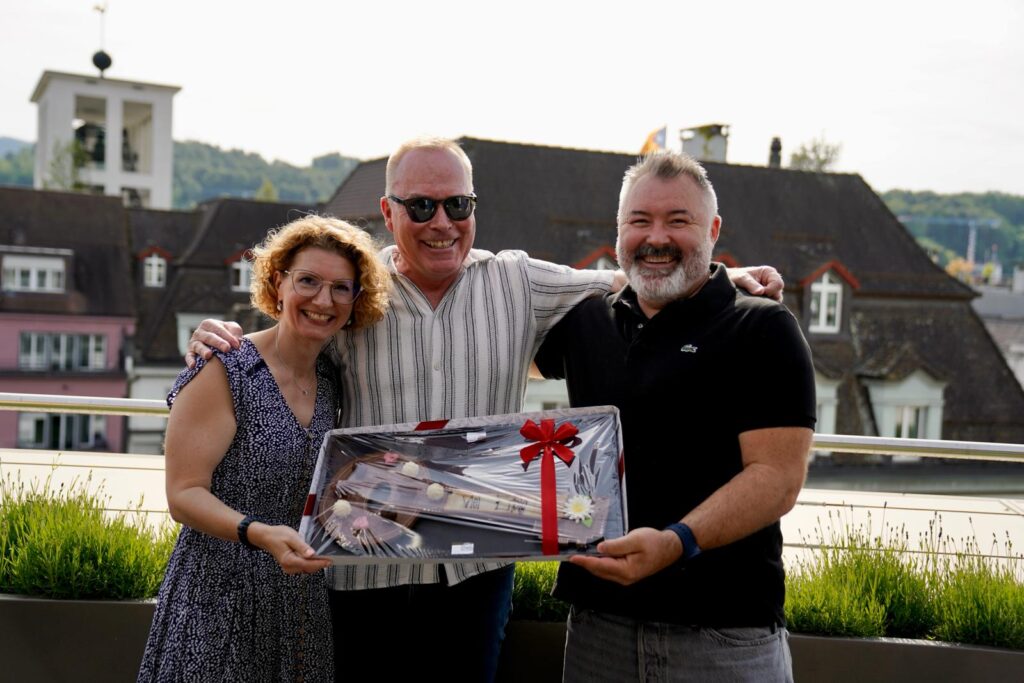
We thank Andreas for years of expertise, progress, and fostering international collaboration, and wish him all the best on his journey ahead.
Info-Events
Start your career with the MSc in Applied Data Science and AI now!
Join one of our online Info-Events:
Monday, 2 November 2026 (Online, English)
Friday, 27 November 2026 (Online, German)
Monday, 11 January 2026 (Online, English)
Programme Information | Contact | Info-Events
Interested in the MSc in Applied Data Science and AI?
Visit our Info-Events. We look forward to meeting you!
Please contact us if you have any questions about your studies:
Tel.: +41 41 228 41 30
Email: master.ids@hslu.ch
Further links to the programme:
→ Generalist profile
→ Career profiles and study insights
→ Our Lecturers
→ Course structure and modules
→ Working and studying
→ Admission and registration
→ FAQ
