A perfect day on the slopes – How gamification personalises the mountain experience

A perfect day on the slopes – How gamification personalises the mountain experience

What if data could design your perfect ski day? Episode 10 of Applied Data Science UNBOXED unpacks how data science is transforming the ski resort experience. We head to the slopes to explore how LAAX uses data, gamification and digital products to shape the perfect ski day.

Podcast: Applied Data Science UNBOXED
Episode 10: A perfect day on the slopes – How gamification personalises the mountain experience
Host: Fabio Sandmeier
Guest: Michael Eberle and Cosima Lang

Shortcuts:
Gamification | Data Creativity | Experience | Post Smartphone Era | Vision | Simplicity | Data Collection | Data Quality | Rethinking | Speed | Strategy | Behaviour | Guessing Game | Innovation | Relevance | Teaching

In this episode, host Fabio Sandmeier speaks with Michael Eberle, Head of Customer Success, Partner and Digital Experience Architect at Inside Labs AG, as well as guest lecturer at HSLU. Together, they explore how digital tools, data and gamification are transforming the ski resort experience. Joining them is Cosima Lang, who took her snowboard and the LAAX app to the slopes and documented firsthand how digital features like tracking, live information and gamification shape a day in the mountains.

02:16 – Gamification in ski resorts

The episode opens by introducing gamification in ski resorts through Cosima’s live impressions from the slopes. Equipped with the LAAX app, she documents her day on the mountain, showing how the app tracks activity, adds challenges and motivates through points. This section gives a first, tangible sense of how digital experiences are integrated into a ski day.

Listen to this part (02:16)

04:07 – Data creativity explained

Michael Eberle introduces the idea of data creativity, a concept that moves beyond simply collecting data. The real challenge is understanding what data is useful and turning it into something meaningful for both the business and the guest experience.

Listen to this part (04:07)

05:41 – Building the LAAX app

A key question in this episode is what role a ski resort wants to play: simply operating lifts, or creating a broader experience for its guests? Faced with increasing competition from platforms like Airbnb and booking.com, LAAX decided to take ownership of the customer relationship. Its app became a direct channel to stay connected with guests before, during and after their stay and to shape the overall experience.

Listen to this part (05:41)

07:44 – Preparing for the post smartphone era

The conversation looks beyond today’s app-based experiences. Michael explains that preparing for a post-smartphone era is already on their agenda. Technologies such as smart glasses, voice interfaces and wearables could become future touchpoints between users and digital services. More important than any specific device, however, is the underlying data layer and the question of how data can be accessed and used across different interfaces.

Listen to this part (07:44)

09:01 – Inside insights and inspirations

Fabio and Michael then turn to the broader vision behind Inside Labs. What started with LAAX has grown into digital solutions for destinations such as Zermatt, St. Moritz and Davos. Michael shares that his motivation is rooted in his personal connection to the mountains and the belief that mountain destinations should offer more than just skiing. Digital products can add a new layer to the experience, making it more accessible, more seamless and overall more enjoyable for guests.

Listen to this part (09:01)

10:37 – Reducing friction on the slopes

Cosima’s experience on the mountain highlights how useful simple digital features can be. One example is the use of live gate cameras to check queues at ski lifts. Instead of relying on complex models, users can quickly assess the situation themselves. This part of the conversation shows how reducing friction and solving pain points often comes down to pragmatic solutions rather than technical complexity.

Listen to this part (10:37)

13:17 – Understanding data collection

How do ski resorts decide what data to collect? Michael explains that their work is based on three main categories: declared data, behavioural data and operational data. At the same time, the team made conscious decisions about what not to collect. LAAX deliberately chose not to use age and gender data to avoid stereotypical assumptions and traditional segmentation. This reflects a more thoughtful approach to understanding users based on behaviour rather than predefined categories.

Listen to this part (13:17)

16:32 – Data quality challenges

Why would a team deliberately delete 200,000 email addresses? Michael uses this example to illustrate one of the biggest learning curves around data quality and data governance. Rather than transferring poor-quality CRM data into a new system, they decided to start from scratch. The section highlights how important clean structures, naming conventions and a clear use case for every data point really are.

Listen to this part (16:32)

19:16 – The courage to rethink

Rethinking past decisions is an essential part of good data work. Michael explains why teams need the courage to question what they collect, how they structure it and whether certain datasets still serve a purpose. Data that is never used has little value, but deciding what to keep and what to let go is rarely simple.

Listen to this part (19:16)

21:42 – The importance of speed

Speed plays a crucial role when working with data. Michael highlights that data quickly loses its value over time, while newly collected data is often more relevant. This makes it easier to let go of older datasets and focus on staying up to date with current user behaviour.

Listen to this part (21:42)

22:10 – Understanding gamification

Gamification is not just about fun features or digital gimmicks. Rooted in behavioural science, it can help guide guest behaviour in ways that also benefit the ski resort. Challenges, badges and incentives can encourage people to spread out across the day, explore different parts of the resort or return in other seasons. In this sense, gamification becomes a strategic business tool rather than just an entertaining add-on.

Listen to this part (22:10)

25:15 – The role of behavioural science

Gamification builds on behavioural patterns that already exist. Skiing itself is emotional, social and performance-driven, so the motivation does not need to be created from scratch. Instead, gamification amplifies this existing behaviour. The conversation also highlights how these features can lead to unexpected social interactions, such as people comparing their performance and experiences on the slopes.

Listen to this part (25:15)

26:14 – The guessing game story

How many people would come to the ski area? This question lies at the heart of one of the episode’s most memorable stories. While data scientists were building forecasting models, lift operators had created their own informal betting game and often came surprisingly close to the real numbers. What began as a simple guessing game later evolved into a digital, crowd-based version. The example shows how experience, context and human judgement can sometimes outperform even sophisticated models.

Listen to this part (26:14)

30:04 – Keeping eyes open for innovation

Innovation does not always start behind a desk. Michael shows why being on-site, talking to people and observing real situations can uncover ideas that would otherwise go unnoticed. Valuable insights often come from curiosity, openness and looking beyond the technology itself.

Listen to this part (30:04)

30:54 – Final impressions from the slopes

Making the most of the day is exactly what a good digital experience should support. Cosima’s final impressions show how the app added value through quick information and motivating gamification features. At the same time, her experience makes clear that relevance matters most: the app should enhance the day on the slopes without distracting from it.

Listen to this part (30:54)

35:41 – Teaching the next generation

Alongside his work at Inside Labs, Michael also teaches at HSLU. His focus is on sharing a pragmatic and customer-centric approach to technology. Students are encouraged to think beyond technical implementation and consider both business needs and user experience. This balance, especially in a B2B2C context, is essential for building solutions that work in practice.

Listen to this part (35:41)

Key Takeaway: Better experiences need better data

This episode shows that data science is not just about analysis, dashboards or algorithms. It is also about designing better experiences for real people. In the case of ski resorts, that means using data with creativity, pragmatism and care. Whether through deleting unnecessary data, choosing a webcam over a complex model, or building gamification that truly adds value, the real impact comes from understanding what people need and using technology in ways that feel relevant and useful.

More from the Podcast Applied Data Science UNBOXED

If you enjoyed this article, explore more blog posts from Applied Data Science UNBOXED:


Start your career with the MSc in Applied Information and Data Science now!
Register and join us for a free online Info-Event:

Monday, 26 May 2026 (Online, German)
Monday, 8 June 2026 (Online, German)
Monday, 10 August 2026 (Online, English)
Monday, 7 September 2026 (Online, German)
Monday, 5 October 2026 (Online, English)

Programme Info: MSc in Applied Information and Data Science
More Field Reports & Experiences: Professional portraits & study insights
Frequently Asked Questions: FAQ


Human and animal behaviour with data science: Research projects by Rodrigo González Alonso

Human and animal behaviour with data science: Research projects by Rodrigo González Alonso

Rodrigo González Alonso’s journey has been a rich adventure across countries and research topics. In Spain, Finland, Italy and Switzerland, as well as at the Massachusetts Institute of Technology (MIT) in the U.S., he explored how data can be used to identify patterns in both human and animal behaviour.

Shortcuts: Interview | Info-Events | Programme Information | Contact | Professional Data Science Portraits

Rodrigo González Alonso, a graduate of the Master's programme in Applied Information and Data Science at the Lucerne University of Applied Sciences and Arts (HSLU)

Rodrigo González Alonso is a graduate of the Master’s programme in Applied Information and Data Science at the Lucerne University of Applied Sciences and Arts (HSLU). He worked on several international research projects aimed at identifying patterns in human and animal behaviour, with the collaboration at the Massachusetts Institute of Technology (MIT) marking the highlight of his research experience.


Introduction

First of all, tell us something about yourself: What hashtags best describe you?

#GlobalJourney #AlwaysLearning #Curious

Tell us more about the hashtags.

#GlobalJourney reflects my path so far – from growing up in Spain, studying in Finland, doing an internship in Italy and now building my career in Switzerland, as well as the time I spent at Massachusetts Institute of Technology (MIT) in Boston. Each step has been formative and given me new perspectives on how people live, work and collaborate across cultures.

At the same time, #AlwaysLearning and #Curious describe how I approach both work and life. I’m the kind of person who likes to ask questions and explore new things, whether it’s through my studies, projects at work or simply through my everyday experiences. This curiosity often leads me in an unexpected direction, and the constant process of learning keeps me motivated and moving forward.

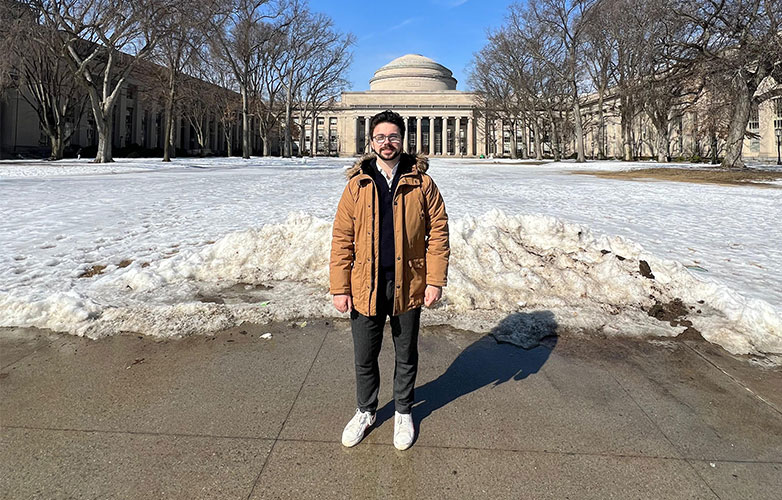
Rodrigo González Alonso, graduate of the Master's programme in Applied Information and Data Science at the Lucerne University of Applied Sciences and Arts (HSLU) in front of the Massachusetts Institute of Technology (MIT)
Rodrigo in front of the Massachusetts Institute of Technology (MIT)

About your job: What are you doing at SIX Group?

At SIX Group, the company that operated the Swiss Stock Exchange, I work in the Financial Information unit, where we acquire, process and deliver financial data to clients. My role in the Strategy team is to enhance productivity by building and improving tools with Python and Power BI.

I work with both client and internal data to help colleagues design strategies that guide business decisions. A big part of this involves pricing and financial planning, and data science methods help us to be more accurate and flexible. At the same time, I like to explore more creative uses of technology, such as computer vision for reading contracts or small AI agents that handle repetitive workflows.

The goal of all this is to turn data into something practical that helps people work more efficiently and make better decisions. My job combines data science, technology and strategy and gives me the chance to contribute to projects that directly affect operations.

What did you do before and why did you join SIX Group?

I began studying Business Administration in Spain, and completed my studies with a double degree from a university in Finland. However, my interest quickly shifted towards the field of data, specifically business intelligence. This led me to move to Lausanne to do an internship at Philip Morris International, where I worked in the Business Intelligence team for IQOS. There was no existing data infrastructure, so I had the opportunity to experience firsthand how to build the data processes from scratch over the course of a year.

Later on, I joined SIX Group, where I found the scale and impact of my work and knowing that I can influence many companies to be very motivating. Additionally, as someone deeply connected to Spain I have always valued being engaged with my home country through my professional work, as SIX owns the Spanish Stock Exchange.

The projects

Please tell us about your research projects.

The first project was a dual collaboration with Professor Peter Gloor, a researcher at MIT, professor at the University of Cologne, and lecturer at HSLU. During this work, I travelled to MIT in Boston, where I assisted with experiments to measure which combination of psychological factors improved group performance by identifying the personality types within the teams to enhance its effectiveness. This opportunity also allowed me to spend time in Boston, where I experienced MIT firsthand, particularly the Systems Design and MIT Sloan School of Management department. This led to the joint publication of a paper.

I continued to work with Professor Peter Gloor afterwards, contributed to publishing a paper as part of the course Collective Innovation Networks (COINs) at HSLU, and then attended the COINs conference in Gorizia. Additionally, we are about to collaborate and publish a paper on recognising “happy cows” at the Mediterranean Ruminant Congress, where we will be co-authoring with my father, a veterinarian and professor.

This collaboration has been highly rewarding and was made possible thanks to HSLU.

Module Collaborative Innovation Networks (COINs)

How do teamwork, technology and human dynamics interact across borders? The international module Collaborative Innovation Networks (COINs) in the MSc in Applied Information and Data Science programme at HSLU, brings together students from Germany, Switzerland, Italy, Poland, and Finland to explore these questions in depth.

The module is led by Prof. Peter Gloor, researcher, author and founder of the COINs concept at MIT. He is known for his pioneering work on collaborative innovation, swarm creativity, and social network analysis.

Using smartwatches, phones and environmental data, students analyse how hybrid work settings influence collaboration, performance and group creativity. Each project uses data science, social network analysis and machine learning to discover what makes teams truly effective in terms of topics ranging from human energy patterns all the way to digital communication flows.

Many student projects are later published in research journals or presented at international conferences, making this module a gateway into real-world, data-driven innovation.

What data and methods did you use, and what insights did you gain or do you hope to gain?

My projects with professor Gloor used a wide range of data sources, which made them both challenging and exciting. In my thesis, I worked with tens of millions of Reddit comments and analysed how online discussions reflect emotions, values and group decision making. In another project in the COINs seminar, we studied WhatsApp group chats from students at the Polytechnic University of Madrid, which gave us a very different view of communication styles and group dynamics in an academic context. And more recently, we even looked at video recordings of cows that I collected during hikes in Switzerland, exploring how computer vision can help us identify indicators of animal welfare.

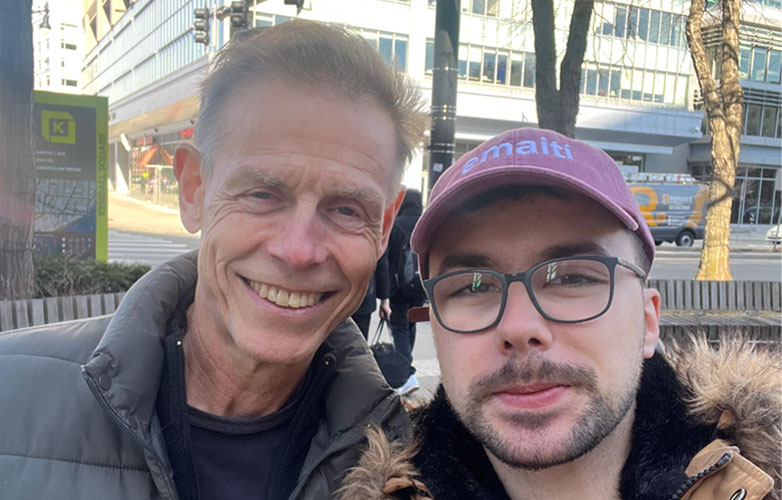
Rodrigo González Alonso, graduate of the Master's programme in Applied Information and Data Science at the Lucerne University of Applied Sciences and Arts (HSLU) with lecturer Peter Gloor
Rodrigo with Peter Gloor

Results and Findings

How can your insights help our society?

My insights can help society by showing how we can make better use of the enormous amount of data we generate daily. The shared theme in the MIT experiments on finding the best team compositions and in professor Gloor’s Happy Cows project is that we don’t need to produce more data because it already exists. What matters is that we use the right methods to discover patterns that would otherwise remain invisible.

In that sense, the value lies in saving time and exploring new perspectives. Whether it involves improving how teams collaborate, understanding wellbeing in unexpected ways or making better decisions in business, the techniques I’ve learned about help us to see connections and opportunities that might get overlooked with traditional approaches.

What are your goals for your projects in future?

In the future, I’d like to apply what I’ve learned in these projects to new areas, especially in finance and business, where decisions are made quickly and often with incomplete information. The mix of the data and methods I used, from text analysis to computer vision, can be useful in many fields other than research.

At the same time, I’d like to stay connected to interdisciplinary projects. Working on topics like team performance and animal wellbeing gave me fresh perspectives, and I think that striking a good balance between occupational activities and non-occupational research produces mutually beneficial results.

How did your studies in the Applied Information and Data Science programme influence the projects?

My Master’s studies in Applied Information and Data Science strongly influenced these projects – inspiring me to explore new ideas and connect them to real-world problems as well as providing me with the methods and technical foundation, from advanced analytics to project work with classmates.

Most importantly, the Master’s programme created opportunities to work with real data and applied research, which allowed me to move beyond theory and test my ideas in practice.

What advice would you give to others starting on similar projects?

The most important advice I would give to someone starting on a similar project is to take enough time to plan it properly. It’s tempting to dive straight into the analysis, but understanding the limitations of the data early on can save a lot of frustration down the road.

I would also recommend looking for similar projects and learning from them. Exploring how others approached their methods can be a great source of inspiration and help you avoid common mistakes, save time and ultimately improve the quality of your work.

And finally: What new hashtag are you aiming for in future?

#Learning: I’m never done learning. In many ways, I’m only just getting started.

#Impacting: Data will continue to be the engine of growth for companies and society.

#ThinkingCritically: Being aware of where data and AI are heading – including the moral challenges, and preparing to face them responsibly.

We want to thank Rodrigo González Alonso for his dedication and for sharing these valuable insights.

Publications

Rodrigo González Alonso’s contribution has been published as a book chapter in an edited scientific volume by Springer Nature.

 → Read the chapter: Artificial Intelligence and Networks for a Sustainable Future


Start your career with the MSc in Applied Information and Data Science now!
Register and join us for a free online Info-Event:

Monday, 26 May 2026 (Online, German)
Monday, 8 June 2026 (Online, German)
Monday, 10 August 2026 (Online, English)
Monday, 7 September 2026 (Online, German)
Monday, 5 October 2026 (Online, English)

Programme Info: MSc in Applied Information and Data Science
More Field Reports & Experiences: Professional portraits & study insights
Frequently Asked Questions: FAQ
From Thesis to Publication – How Smartwatches could transform Diabetes Care

From Thesis to Publication – How Smartwatches could transform Diabetes Care

What if an everyday smartwatch could save lives by detecting dangerous drops in blood sugar before they happen? Episode 9 of Applied Data Science UNBOXED follows how one master’s student turned a class project into real medical research, using data science to improve life with diabetes.

Podcast: Applied Data Science UNBOXED
Episode 9: From Thesis to Publication – How Smartwatches could transform Diabetes Care
Host: Fabio Sandmeier
Guest: Yasmine Mohamed and José Mancera

Shortcuts:
Motivation | Idea | Challenges | Breakthrough | Supervisor | Takeaway

Host Fabio Sandmeier meets Yasmine Mohamed, graduate of the Master in Applied Information and Data Science, and her supervisor José Mancera, lecturer in data engineering and machine learning. Together, they talk about Yasmine’s master’s thesis journey from idea to publication, the technical and ethical hurdles along the way, and what it means to turn data into something that truly makes a difference.

00:11 Motivation: Purpose over paperwork

“I don’t want to do something just to graduate. I want to do something impactful.”

With a background and family ties to healthcare, Yasmine set out to build something with real use. Her idea took shape in a start-up module: use wearables and data to support people with chronic conditions. Diabetes became her focus after personal experiences showed how fast and disorienting hypoglycemia can be.

Listen to this part (00:11)

05:26 The idea: From medical-grade sensors to everyday watches

Prior research often used medical-grade equipment like ECG chest straps to capture physiological changes during hypo events. Yasmine asked a simple question: what if we used off-the-shelf smartwatches instead, devices people already wear while working, swimming, sleeping. The concept was simple, feed synchronised smartwatch signals and CGM glucose data into a model learning patterns that precede low blood sugar.

Listen to this part (05:26)

08:15 – Challenges: Ethics, funding and the long wait

Ambition quickly met reality. To bring the project to life, the team needed funding for the devices, ethical approval to conduct a human study, and clinical partners willing to collaborate. Getting the green light from the ethics committee alone took around six months. Designing the study also came with challenges: for methodological reasons, some participants were temporarily blinded to their CGM readings. Once all approvals were in place, a new challenge began: collecting enough high-quality data from real participants.

Listen to this part (08:15)

12:09 – Breakthrough: First data and the eureka moment

After months of waiting, the first data finally began to flow into Yasmine’s AWS S3 bucket: raw, messy, and full of promise. She spent countless hours cleaning, aligning, and transforming the signals, determined to make sense of the chaos. Then, one day, the breakthrough came. The first models began to recognise patterns, subtle physiological changes that signalled an upcoming drop in blood sugar. It was her long-awaited eureka moment: proof that everyday smartwatches, combined with machine learning, could indeed help detect hypoglycemia before it becomes dangerous.

Listen to this part (12:09)

15:21 The Supervisor’s View: Guiding, not leading

“You are the tech lead here, the project manager”

With these words, José Mancera set the tone in their first meeting. As Yasmine’s supervisor and lecturer in data engineering and machine learning at the MSc in Applied Information and Data Science, he made it clear that this was her project. From then on, José guided rather than led, while Yasmine took full ownership: coordinating across hospitals, managing timelines, data workflows and communication with doctors and patients. José describes her drive as exceptional: she was constantly knocking on doors, building bridges between the academic and clinical worlds. What impressed him most was her ability to think and act like a true data scientist, combining technical precision with leadership, empathy and persistence.

Listen to this part (15:21)

19:18 Results and outlook: Toward needle-free support

Yasmine’s master’s thesis shows that consumer smartwatches can help detect hypoglycemia in people with type 1 diabetes with promising accuracy, without needles or invasive devices. The work has been published in a scientific journal and now invites others to validate, extend and translate the findings. The project perfectly reflects the spirit of the Masters programme, applying data to create real-world impact. Yasmine has since moved into a research role in health data science, working on detection of tropical diseases such as malaria and dengue, staying true to the mission that started this journey.

Listen to this part (19:18)

Key Takeaway: Impact needs persistence

Applied data science is not just about models, it’s about persistence, patience, and purpose. Turning data into impact takes time: building partnerships, earning approvals, and staying the course. With the right mindset and mentorship, a student project can grow into research that improves lives.

Explore the full story how data science and health innovation come together in Yasmine’s research journey!

More from the Podcast Applied Data Science UNBOXED

If you enjoyed this article, explore more blog posts from Applied Data Science UNBOXED:


Start your career with the MSc in Applied Information and Data Science now!
Register and join us for a free online Info-Event:

Monday, 26 May 2026 (Online, German)
Monday, 8 June 2026 (Online, German)
Monday, 10 August 2026 (Online, English)
Monday, 7 September 2026 (Online, German)
Monday, 5 October 2026 (Online, English)

Programme Info: MSc in Applied Information and Data Science
More Field Reports & Experiences: Professional portraits & study insights
Frequently Asked Questions: FAQ
Why Data Governance Drives Competitive Business Advantage

Why Data Governance Drives Competitive Business Advantage

Data-driven economy, robust data governance is a key enabler of business success. No longer just a compliance exercise effective governance delivers measurable financial returns, from cost savings and compliance efficiency to revenue growth and faster innovation. This whitepaper presents real-world examples demonstrating the transformative power of data governance across multiple industries.

Shortcuts:
Cases | APRIL | Imerys | Results | Impact | Benefits | Info-Events | Programme Information | Contact

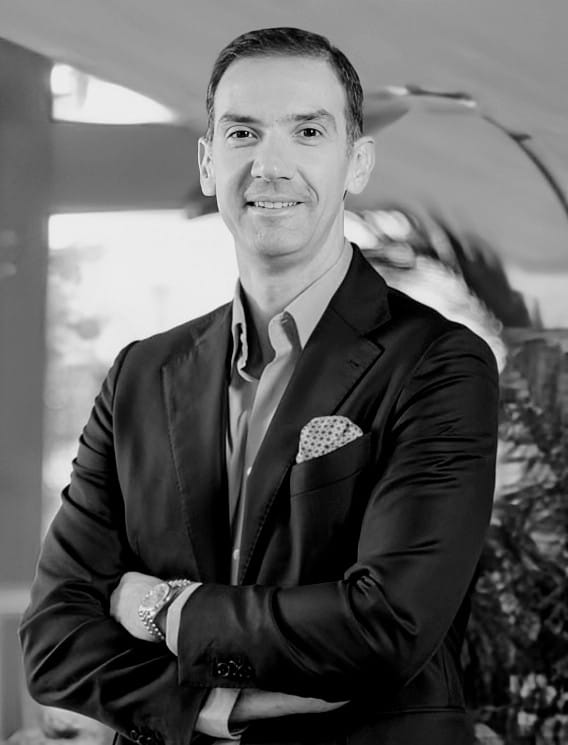
Dr Dimitrios Marinos, our lecturer at HSLU, has deep expertise in artificial intelligence, big data analytics, digital transformation, AI ethics, data governance and more.

Dr Dimitrios Marinos, our lecturer at HSLU, has deep expertise in artificial intelligence, big data analytics, digital transformation, AI ethics, data governance and more.


Referencing real world cases on Business Opportunity advantages

Many organizations still view data governance as an afterthought or a box-ticking requirement. However, as companies grow increasingly data-centric, strong governance frameworks become essential to unlocking value from data assets. Without governance, poor data quality undermines operations, slows decision-making, and exposes firms to regulatory risks.

A Gartner study found that poor data quality costs organizations an average of $12.9 million annually. Conversely, companies that implement systematic governance – with central data catalogs, ownership roles, and quality controls – rapidly reduce costs and improve performance.

Case Study: APRIL International

Data Governance Case Study APRIL International

APRIL International, a leading multinational insurance group, faced challenges managing customer data across regions. By implementing a centralized master data management (MDM) system with automated cleansing (Semarchy), the company reduced duplicate records by 90%. This improvement enabled a 15% increase in cross-sell revenue, translating to an annual net gain of $2 million.

Case Study: Imerys

Data Governance Case Study Imerys

Global industrial minerals leader Imerys needed to unify data after multiple acquisitions. Through consolidated master data and standardized product/material records, Imerys reduced time-to-reporting by 30% and deployed advanced business intelligence capabilities. The initiative delivered $1.5 million in annual compliance and reporting savings.

Broader Industry Results

Similar benefits have been observed across industries. A Fortune 500 firm’s data governance program accelerated decision-making by 40% and reduced redundant infrastructure. At Wells Fargo, centralized data governance decreased reporting errors and mitigated operational risk proving that effective governance is critical even in highly regulated sectors.

Moreover, governance failures can lead to substantial penalties. Morgan Stanley faced a $60 million fine and Citibank incurred a $400 million penalty for inadequate governance practices – reinforcing the financial importance of proactive governance.

Summary of Business Impact

OrganizationInterventionBusiness Outcome
APRIL InternationalCentralized MDM & data cleansing$2M+ annual gain from increased cross-sell
ImerysUnified master data$1.5M+ annual savings in compliance/reporting
Fortune 500 FirmCentral governance and dashboards40% faster decision cycles
Wells FargoSingle-source data platformReduced risk and reporting discrepancies

Strategic Benefits

Beyond cost avoidance and compliance, data governance delivers lasting strategic advantages. Companies with strong governance frameworks accelerate go-to-market timelines, enable AI-driven innovation, and improve customer experience. Trusted data empowers confident decision-making at all organizational levels.

In addition to cost and compliance gains, companies with mature data governance enjoy significant strategic advantages. First and foremost, by establishing trusted, high-quality data, organizations enable faster and more confident decision-making across all levels  from front-line operations to executive leadership. This agility supports quicker responses to market shifts, competitive threats, and emerging opportunities.

Moreover, strong governance frameworks provide the essential foundation for advanced analytics, machine learning, and AI initiatives, all of which rely on reliable and well-governed data. Without this foundation, many AI projects falter, plagued by poor data quality or a lack of trust in the resulting insights. On the other hand, organizations that prioritize governance are able to develop new digital products, unlock new revenue streams through data monetization, and create customer experiences that drive both loyalty and growth.

Mature Data Governance

Ultimately, in today’s digital economy, data governance is not simply a defensive strategy, it is a powerful driver of innovation, market leadership, and long-term value creation.

As these examples demonstrate, data governance is now a critical enabler of business success. Forward-thinking organizations are investing heavily in governance not only to manage risk but also to fuel growth and innovation. The message is clear: structured data governance transforms data from a potential liability into a strategic asset, one that delivers measurable competitive advantage.

We would like to thank Dr Dimitrios Marinos for his dedication and for sharing these valuable insights.


Start your career with the MSc in Applied Information and Data Science now!
Register and join us for a free online Info-Event:

Monday, 26 May 2026 (Online, German)
Monday, 8 June 2026 (Online, German)
Monday, 10 August 2026 (Online, English)
Monday, 7 September 2026 (Online, German)
Monday, 5 October 2026 (Online, English)

Programme Info: MSc in Applied Information and Data Science
More Field Reports & Experiences: Professional portraits & study insights
Frequently Asked Questions: FAQ

MSc in Applied Information and Data Science Recognized by the EU’s Deep Tech Talent Initiative

MSc in Applied Information and Data Science Recognized by the EU’s Deep Tech Talent Initiative

We’re excited to share that our MSc in Applied Information and Data Science at the Lucerne University of Applied Sciences and Arts (HSLU) has been officially recognised by the EU’s Deep Tech Talent Initiative (DTTI). Since July 2025, the programme has been featured on the DTTI platform. Alongside some of Europe’s most forward-thinking training opportunities.

Shortcuts:
DTTI | Contribution | Fit | Benefits | Programmes | Future | Links | Programme Information | Contact

What Is the Deep Tech Talent Initiative

The Deep Tech Talent Initiative (DTTI) is a Europe-wide programme launched by the European Institute of Innovation and Technology (EIT). It aims to equip one million people with key skills in technologies like AI, data science, cybersecurity, biotech, and quantum computing. Importantly, only selected programmes that meet rigorous quality and relevance standards are included.

How Does HSLU Contribute to the DTTI Goals

As a recognised Pledger in the DTTI, HSLU is actively contributing to Europe’s deep tech skills agenda. Our MSc programme has passed the formal DTTI Quality Check, ensuring it meets high standards in practical learning, relevance, and learner outcomes. Moreover, we are also committed to advancing inclusion: the initiative encourages participating institutions to reach at least 300 learners and achieve a minimum of 30% female participation, goals we fully support as part of building a more diverse and future-ready workforce.

Why Our Master’s Program Fits

The MSc in Applied Information and Data Science equips students with the skills to work confidently with data, build smart digital solutions, and tackle real-world challenges in fields such as health, environment, business, and government. In particular, what sets our programme apart is its strong emphasis on practical experience, cutting-edge technologies, and innovation. Students work on applied projects with real-world impact, often in collaboration with partners from the public and private sector, and develop their own ideas or ventures.

“A decade of rapid advances in data science and AI has laid the foundation – but the real difference will be made by people who transform data technologies into value. The optimal fusion of human and artificial intelligence is at the heart of our master’s program.”

Prof. Dr. Andreas Brandenberg, Head of Programme Master of Science in Applied Information and Data Science

How Students Benefit from DTTI

Alongside their HSLU degree, graduates receive an official DTTI certificate, an EU-endorsed credential that confirms their deep tech expertise. This dual recognition strengthens their mobility across European job markets, boosts their visibility with employers, and signals their readiness to contribute to Europe’s digital future.


Which Other HSLU Programmes Are Part of DTTI

The MSc in Applied Information and Data Science is just one of several HSLU programmes recognised by the Deep Tech Talent Initiative. Together we are proud to contribute to building Europe’s deep tech talent pipeline across disciplines.

What Does DTTI Mean for the Future

By joining the DTTI, HSLU becomes part of a broader European network focused on high-impact education. It opens doors to new learning and collaboration opportunities across borders and affirms that what we teach is not just relevant, but essential for the digital transformation ahead.


Start your career with the MSc in Applied Information and Data Science now!
Register and join us for a free online Info-Event:

Monday, 26 May 2026 (Online, German)
Monday, 8 June 2026 (Online, German)
Monday, 10 August 2026 (Online, English)
Monday, 7 September 2026 (Online, German)
Monday, 5 October 2026 (Online, English)

Programme Info: MSc in Applied Information and Data Science
More Field Reports & Experiences: Professional portraits & study insights
Frequently Asked Questions: FAQ

Data Ethics Between Vision and Reflection – Why Data Scientists Must Think Critically

Data Ethics Between Vision and Reflection – Why Data Scientists Must Think Critically

What happens when algorithms make invisible decisions in our everyday lives? How much responsibility do we carry in how we use data? Episode 8 of Applied Data Science Unboxed explores how data-driven systems impact fairness, privacy, and creativity – and why data ethics and critical reflection is essential in the education of future data scientists at Lucerne University of Applied Sciences and Arts.

Podcast: Applied Data Science UNBOXED
Episode 8: Between Vision and Reflection – Why Data Scientists Must Think Critically (German only)
Host: Fabio Sandmeier
Guest: Prof. Dr. Orlando Budelacci

Shortcuts:
Biases | Data Ethics | Warning Lights | Creativity | Responsibility | Reflection | Takeaway

High above the city on the rooftop of the Lucerne School of Business, host Fabio Sandmeier meets Vice Dean of the Lucerne School of Arts and Design and Chairman of the HSLU Ethics Committee Prof. Dr. Orlando Budelacci to explore a deceptively simple question: What happens when algorithms make decisions for us? Over espresso and sunshine, they discuss invisible biases, shrinking personal agency, and the urgent need for ethical reflection in data-driven systems – not as an afterthought, but as a foundation.

00:40 – Jonas’ Morning: Five Invisible Decisions – None of Them Fair

Imagine waking up to a string of small, unfair decisions – and never even noticing them.
That’s exactly what happens to Jonas, a fictional job seeker whose morning is silently shaped by five algorithmic judgments:

  • No interview invites. His CV was filtered out by a recruiting algorithm because of a six-month employment gap.
  • His ride to the dentist is unusually expensive. The app marks his postal code as “less reliable” – classic location bias.
  • After paying at the dentist, he receives targeted ads for painkillers and implants. His supposedly anonymous health data wasn’t so anonymous.
  • His music app keeps pushing only mainstream hits, ignoring his favorites. The algorithm sees him as a data outlier.
  • A credit card application is denied. No explanation. The reason? A machine learning model flagged his postcode as risky.

What connects these moments? Jonas was profiled, filtered, nudged, and judged – all before lunch. And all without transparency, explanation, or recourse. This story powerfully illustrates why data ethics matters – and how it impacts real people daily.

Listen to this part (00:40)

03:30 – On the Rooftop: What Data-Based Systems Mean for Our Freedom

With view over the rooftop Fabio Sandmeier and Prof. Dr. Orlando Budelacci discuss what Jonas’ morning says about society. According to Budelacci, data-driven systems are already deeply embedded in our everyday lives. And with them come three core data ethics challenges:

  1. Privacy: How much of ourselves are we giving away?
  2. Nudging: How subtly are we being steered toward certain choices?
  3. Bias: How do flawed or skewed datasets reinforce unfairness?

At the heart lies a sobering principle: Garbage in, garbage out. If the data is bad, the decisions will be too.

Listen to this part (03:30)

05:30 – Privacy, Nudging, Bias: Budelacci’s Three Ethical Warning Lights

Data systems are shifting decision-making power away from individuals. “We are no longer decision-makers,” Budelacci says. “We’re decision-receivers.”

This loss of autonomy limits our options in everyday life. Even randomness – the freedom to be surprised – is being optimized out. Dating apps, hotel recommendations, route suggestions, even crime prediction – all aim to remove uncertainty, but also reduce spontaneity and personal agency.

The challenge? Balancing the societal benefits of data with respect for individual freedom – a core concern of data ethics.

Listen to this part (05:30)

10:00 – AI and Creativity: Between Meaning and Automation

What about creativity? Even in the arts, algorithms now decide what becomes visible, what is trending, what gets funded. So, is creative work still truly human? Budelacci sees both danger and potential. On one hand, automatable creative tasks are under pressure. Algorithms can now generate decent music, text, and images instantly. On the other hand, true creativity is about meaning-making – telling stories about identity, transformation, and the human condition.

That’s where humans remain essential: selecting and interpreting data to craft narratives that matter. This intersection between creativity and data ethics is increasingly relevant across industries.

Listen to this part (10:00)

12:15 – Responsibility in the Master IDS: What Data Scientists Really Need to Know

In the MSc in Applied Information and Data Science at HSLU, students are not only taught to code, but also to think. Responsibility is a core theme. What should future data professionals learn?

  • Legal literacy: Understanding current laws and upcoming regulations.
  • Ethical sensitivity: Recognizing the societal impact of data-driven systems.
  • Critical thinking: Questioning assumptions, biases, and systemic limitations.

As Budelacci notes: “This isn’t just about tools. It’s about understanding the world we’re building with them.”

Listen to this part (12:10)

14:45 – Ethics from Day One: How Reflection Becomes Part of Every Development

Finally, what would a future with embedded ethics look like? Budelacci’s vision: Data ethics and critical reflection becomes part of every project from day one – not an afterthought or a hurdle, but a core ingredient of good design.

That includes:

  • Regular ethics reviews in development processes.
  • Transparent Ethics Reports as part of business practice.
  • A recognition that complexity must be handled with technology, not despite it.

In short, data ethics should not limit innovation. It should shape it.

Listen to this part (14:45)

Key Takeaway: Critical Thinking Is the New Skillset

Back on the rooftop, as the espresso cups empty, one thing becomes clear: For data scientists, technical skill is no longer enough. Reflection, responsibility, and critical awareness must be part of the job.

To avoid more mornings like Jonas’, we need professionals who can not only build smart systems – but ask the right questions about them.

More from the Podcast Applied Data Science UNBOXED

If you enjoyed this article, explore more blog posts from Applied Data Science UNBOXED:


Start your career with the MSc in Applied Information and Data Science now!
Register and join us for a free online Info-Event:

Monday, 26 May 2026 (Online, German)
Monday, 8 June 2026 (Online, German)
Monday, 10 August 2026 (Online, English)
Monday, 7 September 2026 (Online, German)
Monday, 5 October 2026 (Online, English)

Programme Info: MSc in Applied Information and Data Science
More Field Reports & Experiences: Professional portraits & study insights
Frequently Asked Questions: FAQ
A Global First in Regulating Artificial Intelligence

A Global First in Regulating Artificial Intelligence

In a landmark move, the European Union has adopted the world’s first comprehensive regulation on artificial intelligence, the EU AI Act, which officially entered into force on August 1, 2024. This regulation fosters innovation and protects fundamental rights by establishing a harmonized legal framework for developing, deploying, and overseeing AI systems across the EU. Moreover, it sets a global precedent for responsible AI governance, as its influence is expected to stretch beyond European borders.

Shortcuts:
Framework | Timeline | Impact | Info-Events | Programme Information | Contact

Dr Dimitrios Marinos, our lecturer at HSLU, has deep expertise in artificial intelligence, big data analytics, digital transformation, AI ethics, data governance and more.

Dr Dimitrios Marinos, our lecturer at HSLU, has deep expertise in artificial intelligence, big data analytics, digital transformation, AI ethics, data governance and more.


A Risk-Based Framework for Responsible AI

At the heart of the EU AI Act lies a risk-based approach that categorizes AI systems into four levels: unacceptable risk, high risk, limited risk, and minimal risk. Each level determines how closely authorities must monitor the system. AI systems that pose an “unacceptable risk”, such as those involving social scoring or manipulative biometric surveillance, face an outright ban. High-risk systems, used in law enforcement, healthcare and critical infrastructure, must meet strict obligations. These include conformity assessments, robust data management, and human oversight.

By contrast, limited-risk systems like chatbots or content generators only have to inform users that they are interacting with AI. Minimal-risk applications, such as AI in video games or spam filters, fall largely outside the scope of regulation. Thanks to this layered structure, the Act enables flexible governance while safeguarding individual rights and the public interest.

General-Purpose AI and Enforcement Timeline

The Act also directly addresses General-Purpose AI (GPAI) systems, including large foundational models like ChatGPT. These systems must follow transparency standards, disclose their training data sources, and comply with EU copyright laws. If they present systemic risks, they also need to carry out safety testing and provide documentation.

Importantly, the legislation rolls out step by step. Here is a summary of the most critical deadlines:

DateProvision
Aug 1, 2024AI Act enters into force
Feb 2, 2025Prohibitions on unacceptable-risk AI become binding
Aug 2, 2025GPAI obligations and governance structures apply
Aug 2, 2026High-risk system requirements become enforceable
Aug 2, 2027Full compliance deadline for all regulated systems

This staged implementation is intended to give developers, regulators, and businesses time to adjust to the new legal landscape.

Global Impact and Legal Reach

The AI Act has extraterritorial scope. This means companies outside the EU must comply if their AI systems affect users within the Union. Similar to the GDPR, this approach confirms the EU’s leadership in global digital governance.

A new European AI Office will coordinate enforcement, working together with national regulators and an EU-wide Artificial Intelligence Board. Fines for violations are steep: banned uses can result in penalties of up to €35 million or 7% of global turnover. Less severe breaches may still cost companies between €7.5 and €15 million.

With the AI Act, Europe is not just regulating artificial intelligence, it is defining a global benchmark for ethical, transparent, and human-centric AI.

We would like to thank Dr Dimitrios Marinos for his dedication and for sharing these valuable insights.


Start your career with the MSc in Applied Information and Data Science now!
Register and join us for a free online Info-Event:

Monday, 26 May 2026 (Online, German)
Monday, 8 June 2026 (Online, German)
Monday, 10 August 2026 (Online, English)
Monday, 7 September 2026 (Online, German)
Monday, 5 October 2026 (Online, English)

Programme Info: MSc in Applied Information and Data Science
More Field Reports & Experiences: Professional portraits & study insights
Frequently Asked Questions: FAQ
Data for a sustainable building retrofit: A research project by Ezgi Köker Gökgöl

Data for a sustainable building retrofit: A research project by Ezgi Köker Gökgöl

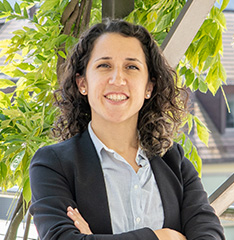
Ezgi Köker Gökgöl uses data science to support the energy transition in the building sector. With her background in civil engineering and strong commitment to sustainability, she focuses on sustainable building retrofit to reduce emissions in residential buildings.

In her Master’s thesis, she developed a decision support map that ranks homes by their energy efficiency, helping policymakers and homeowners prioritise sustainable building retrofit, cut emissions, and make better energy investments.

In this interview, Ezgi explains her reasons, gives details of her methods and shares her passion for sustainability, all of which helped her to develop a data-driven solution for a greener future.

Shortcuts: Interview | Info-Events | Programme Information | Contact | Professional Data Science Portraits

Ezgi Köker Gökgöl, a graduate of the MSc in Applied Information and Data Science programme at Lucerne University of Applied Sciences and Arts, developed a decision support map to identify buildings that most urgently need retrofitting.

Ezgi Köker Gökgöl, a graduate of the MSc in Applied Information and Data Science programme at Lucerne University of Applied Sciences and Arts, developed a decision support map to identify buildings that most urgently need retrofitting.


Introduction

First of all, tell us something about yourself: What hashtags best describe you?

#AnalyticalThinking #PuzzleSolver #DataforFuture #KindtoNature

Tell us more about the hashtags.

For me, every problem or task is like a puzzle in life, and my brain automatically creates algorithms that sometimes even take them to unpredictable advanced stages. As I get older, I realise that you can achieve the best results when you dream big and shape those dreams to see what steps you can take without losing sight of the actual circumstances. The most significant threat we currently face is global warming, and my biggest dream is to help sustain life for ourselves and future generations. I believe that the most productive way to live this dream is to use the available data to recognise the severity of the situation and find the most feasible solution.

About your job: What do you do?

I am not working at the moment, but I am looking for an opportunity to live my dream. 

What did you do before? 

Before coming to Switzerland, I had an academic career in Turkey. I focused on analysing water systems so as to improve water quality and reduce leaks – as a contribution to sustaining life. At the same time, I worked as a teaching and research assistant at the Middle East Technical University. After moving to Switzerland, I decided to learn more about data science and hone my technical skills. That’s why I enrolled in the Applied Information and Data Science MSc programme at Lucerne University of Applied Sciences and Arts.

The project

Please tell us about your research project.

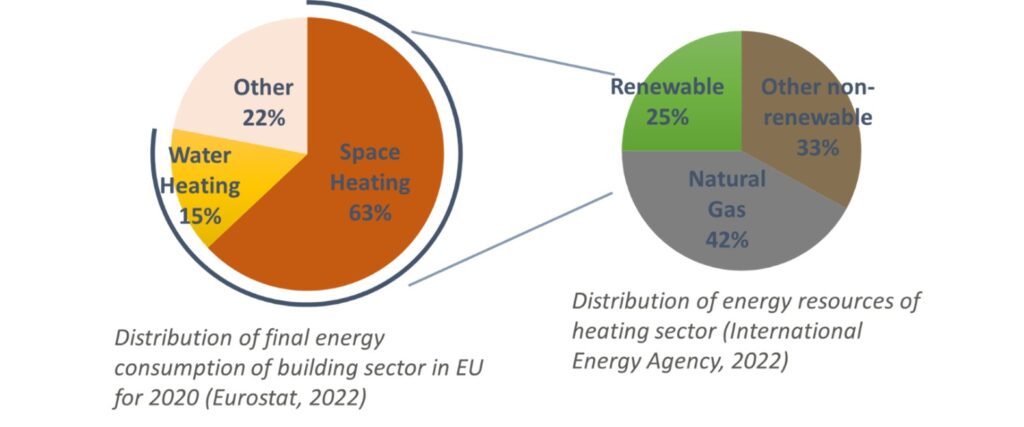
Before explaining what we actually did, I would like to explain the reasons behind the study. The energy sector is the source of nearly three-quarters of the global greenhouse gas emissions, and buildings make up around one-third of them. The largest share of the energy consumed in buildings comes from their heating systems, which mostly run on fossil fuels. To meet the demands of increasing populations, we must switch to clean energy immediately.

Given the necessity of the renovation projects and the large investments they require, choosing the right buildings that will maximise the improvement is of the utmost importance for decision-makers. Moreover, knowing how energy efficient their buildings are will help homeowners decide how to retrofit them, and households will thus be able to save significantly through reduced energy consumption. 

With this in mind, my Master’s thesis aims to develop a decision support map based on a rating system that classifies buildings within a municipality from “good” to “bad” depending on their energy use intensity, their heating system type, and their age. The specific heating energy requirement is the main indicator here, but only a few countries make this available nationwide. I therefore chose a small Swiss municipality of Wittenbach in the canton of St. Gallen for my case study. 

Based on the physical properties and heating energy demands of the buildings, I developed a ranking system that uses an analytic hierarchy process (AHP) and evaluates each building by considering its energy usage, heating system, and construction year. The subsequent rankings on the energy efficiency scale are then shown on the map of the municipality and serve as a decision support for finding the most suitable properties to retrofit.

HSLU Ezgi Köker Gökgöl Distribuation of Energy Consumption and Energy Resources for Sustainable Building Retrofit

What data and method did you use, and what insights did you gain or do you hope to gain?

For the case study, we chose the municipality of Wittenbach, a town near the city of St. Gallen. We learned about the characteristics of the buildings from the Federal Register of Buildings and Dwellings for the canton of St. Gallen, which is available from the Federal Statistical Office.

The second dataset required for the ranking system was the energy demands of the households in Wittenbach. These are available from the Swiss Federal Office of Energy as a heatmap of energy demands by residential and commercial buildings in Switzerland. The underlying data for the map is provided by the Swiss District Heating Association and is based on information from the Federal Register of Buildings and Dwellings.

Studying the physical properties and the heating energy demands of the buildings made it possible to develop a ranking system through an analytic hierarchy process, a widely used method for multicriteria analysis. This method helps to select the best option in a structured manner by applying several weighted criteria – similar to the way we select the best candidate for a job. Each household within the municipality is evaluated by considering its energy usage, existing heating system and age so as to produce a ranking based on the energy efficiency scale. Finally, these rankings are represented visually on the map of the municipality to help with the decision of finding the most suitable candidates to retrofit.

Results and Findings

How can your insights help our society?

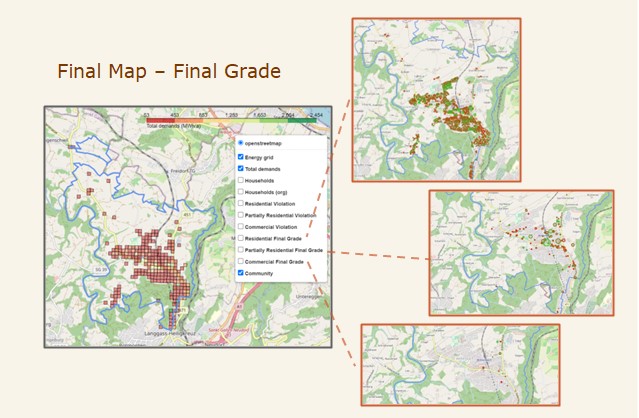
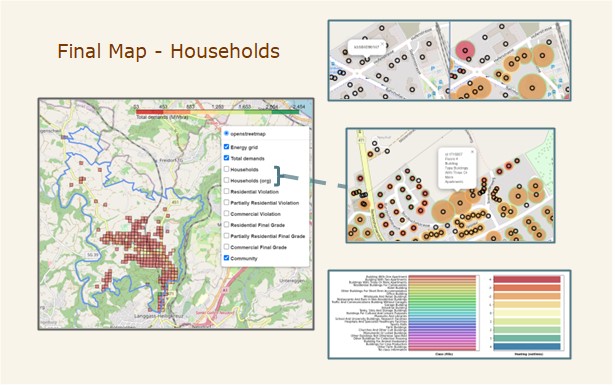
The multi-layered decision support map with interactive details developed in this study adds value for both homeowners and decision-makers when evaluating the potential of a particular renovation.
The map enables homeowners to assess the energy efficiency of their buildings easily and to compare them with those of others in the municipality. The findings clearly show that energy-efficient renovations not only have ecological benefits but can also positively influence household budgets, for example, through significantly lower energy consumption.

The map provides policymakers with an overview of buildings in particular need of renovation and of spatial clusters of low-efficiency values. This information then helps with planning investments more effectively, developing regional support programmes and designing municipal strategies based on efficiency classes and their distribution.

HSLU Ezgi Köker Gökgöl Final Map Hausholds for Sustainable Building Retrofit

HSLU Ezgi Köker Gökgöl Final Map Final Grade for Sustainable Building Retrofit

What are your goals for your project in future?

The biggest dream I had while working on this project was to be able to make the outcomes become part of a solution that can be applied in real life. For me, this would be the best indication that the work was worthwhile. In fact the results of my study were later used as the initial step of an energy replacement systems recommender tool by the Energy Demand Governance project (EDGE https://www.sweet-edge.ch/en/home) that my advisors are working on. That gave me the satisfaction of being a part of the solution. 

How did your studies in the Applied Information and Data Science programme influence the project?

The Applied Information and Data Science Master’s programme at HSLU has a broad range of courses that cover various topics such as healthcare, energy systems or computational language technologies. This range helped me to see which field I would enjoy working on before I chose my thesis topic and how I could contribute more effectively to making our planet more sustainable. Moreover, the programming skills and new statistical tools I acquired through the programme helped me to maximise the outcomes of my thesis. Finally, and maybe not directly related to my project, I thought it was a nice way to learn about different fields, such as business administration or data ideation – especially for me because of my background as an engineer.


What advice would you give to others starting on similar projects?

I believe that all research projects are driven by curiosity and interest. The advice I would like to give to others would be to find the subject that catches their interest during their courses and to develop it in their thesis, which is more like a marathon than a 100-meter sprint. While writing the thesis, there will invariably be easy times as well as setbacks. During those tough moments, I think it’s important to remind yourself that you love what you’re working on and to believe that it will make a difference.

And finally: What new hashtag are you aiming for in future?

#SustainableFuture: For a future where people are more conscious and responsible towards the planet. 
#WorkWithLove: To find my place in life where I can contribute to this.

We want to thank Ezgi Köker Gökgöl for her dedication and for sharing these valuable insights.

Publications

Ezgi Köker Gökgöl contributed to a peer-reviewed article based on her Master’s thesis, which was published in the scientific journal Energy and Buildings (Elsevier).

→ Read the article: A community-based decision support map for building retrofit towards a more sustainable future


Start your career with the MSc in Applied Information and Data Science now!
Register and join us for a free online Info-Event:

Monday, 26 May 2026 (Online, German)
Monday, 8 June 2026 (Online, German)
Monday, 10 August 2026 (Online, English)
Monday, 7 September 2026 (Online, German)
Monday, 5 October 2026 (Online, English)

Programme Info: MSc in Applied Information and Data Science
More Field Reports & Experiences: Professional portraits & study insights
Frequently Asked Questions: FAQ

AI-powered cancer detection: A research project by Morteza Kiani Haftlang

AI-powered cancer detection: A research project by Morteza Kiani Haftlang

Morteza Kiani Haftlang is on a mission to harness Artificial Intelligence (AI) for early cancer detection. With a background in engineering, AI, and deep learning, he transitioned into healthcare to apply his skills where they matter most. His research at IMAI MedTec explores self-supervised AI models for detecting cancer in 3D light sheet microscopy (LSM) images, aiming to enhance accuracy and reduce manual labelling. Are you curious about how AI can revolutionise cancer detection? In this interview, Morteza shares insights into his work, the challenges of AI in medical imaging, and how his studies at HSLU have shaped his approach.

Shortcuts: Interview | Info-Events | Programme Information | Contact | Professional Data Science Portraits

Morteza Kiani Haftlang, a graduate of the MSc in Applied Information and Data Science at Lucerne University of Applied Sciences and Arts, conducted his thesis at IMAI MedTec on AI-driven medical imaging for cancer detection.

Morteza Kiani Haftlang, a graduate of the MSc in Applied Information and Data Science at Lucerne University of Applied Sciences and Arts, conducted his thesis at IMAI MedTec on AI-driven medical imaging for cancer detection.


Introduction

First of all, tell us something about yourself: What hashtags best describe you?

#Learner #Multidisciplinarity #Cook #AGIEnthusiast

Tell us more about the hashtags.

Each of the hashtags reflects an essential part of my personality and professional journey:

  • #Learner: Learning constantly is essential in an era of emerging technologies. I strive to keep up with mainstream AI trends, continuously learning and exploring new concepts in AI, healthcare and other fields.
  • #Multidisciplinarity: My goal is to connect multiple fields, from AI and medical imaging all the way to engineering.
  • #Cook: Cooking is my passion. Just like in AI, combining the right ingredients – data, models, and algorithms – leads to the best outcomes.
  • #AGIEnthusiast: I am obsessed with the future of artificial general intelligence and its potential to transform industries, particularly healthcare.

About your job: What did you do at IMAI MedTec?

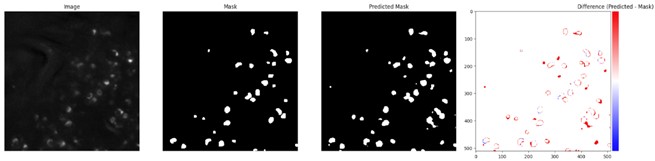
At IMAI MedTec, my thesis focused on a comparative study of various models, particularly self-supervised AI models, to improve cancer detection from 3D histopathological images. In essence, the goal is to identify and label cancerous cells accurately. My work involves researching, training, and fine-tuning deep learning models that help pathologists to analyse tissue samples more accurately and efficiently. By reducing the need for manual annotations, we can make cancer screening faster and more precise.

What did you do before? 

Before my thesis, I did an internship at Roche, where I was involved in data engineering and data analysis, working with data from production lines and blood sensors. Prior to Roche, I was an electrical engineer. So, you can see how my career has changed. I switched to healthcare AI because I wanted to apply my skills to a field where technology can save lives. The opportunity to work on innovative medical imaging at IMAI MedTec was too exciting to pass up – so that’s how my project started.

The project

Please tell us about your research project.

My research focused on self-supervised deep learning models for detecting cancer in 3D light sheet microscopy (LSM) images. Traditional histological analysis often overlooks cancerous cells due to limited tissue sampling, which can result in false negatives – up to 20% of cases may miss cancer cells. By leveraging AI, we aim to analyse entire tissue samples in 3D, thus reducing the risk of missed diagnoses.

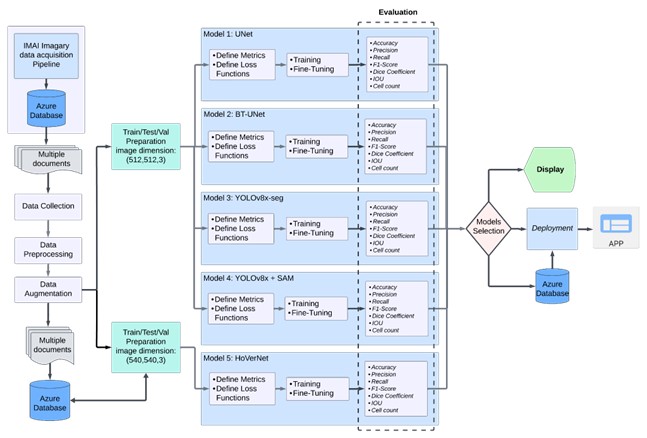
We applied the models considered in this study – U-Net, BTUNet, YOLOv8x-seg, YOLOv8x+SAM, and HoverNet – to a dataset that IMAI provided. The project compared multiple models to find the optimal balance between accuracy and efficiency in segmenting cancerous cells.

What data and method did you use, and what insights did you gain or do you hope to gain?

We worked with high-resolution 3D LSM images of histopathological tissue samples. Because of their size (sometimes up to 100 GB) and complex content, these images have to be pre-processed as well as normalised, augmented and adapted to formats that are friendly to deep learning.

We evaluated five key models:

  • U-Net: A classic segmentation model widely used in biomedical imaging.
  • BTUNet: A self-supervised learning version of U-Net utilising Barlow Twins.
  • YOLOv8x-seg: A real-time segmentation model optimised for speed.
  • YOLOv8x+SAM: A hybrid model incorporating the Segment Anything Model (SAM).
  • HoverNet: A powerful dual-task model designed for histopathology.
Research Process

Results and Findings

How can your insights help our society?

Our research provides valuable insights that can significantly enhance cancer detection and diagnosis. Among the models we evaluated, HoverNet demonstrated the highest segmentation accuracy, making it the most reliable choice for precise cancer detection. BTUNet excelled in handling limited labelled data, proving the effectiveness of self-supervised learning while delivering more stable prediction results. Meanwhile, YOLOv8x-seg stood out for its speed, making it a strong candidate for real-time applications, though with a slight trade-off in segmentation accuracy.

Early cancer detection saves lives. By improving segmentation accuracy, enabling better auto-labelling, and reducing reliance on manual annotation, our research contributes to:

  • Increased diagnostic precision, minimising the risk of false negatives.
  • Automation of tedious tasks, allowing pathologists to focus on more complex cases.
  • Enhanced accessibility, making advanced diagnostics feasible even in low-resource settings.
Cancer Labeling

What are your goals for your project in future?

As I look ahead, I see several key directions in which to develop this project further. One major focus is to make the model more robust by training on a more diverse dataset to ensure better generalisation across different tissue types and conditions. Additionally, optimising model architectures for real-time deployment will help reduce processing times, making AI-assisted diagnostics faster and more efficient. Another exciting approach is integrating multi-modal imaging data; for example, by combining MRI with histopathology to provide a more comprehensive analysis of cancerous tissues. Ultimately, the goal is to apply AI-assisted diagnostic tools in real-world clinical settings and to bridge the gap between research and practical medical applications and thus improve patient care.

How did your studies in the Applied Information and Data Science programme influence the project?

My background in engineering, AI and deep learning provided the technical foundation for this research. Additionally, my studies at HSLU helped me develop a more structured problem-solving approach, which was crucial when working with large-scale medical datasets and conducting deep-learning experiments. More importantly, though, the invaluable support from my supervisor, Dr Umberto Michelucci, pointed me in the right direction and played a key role in shaping this project.


What advice would you give to others starting on similar projects?

Understanding the domain is crucial – working closely with medical experts ensures that AI models align with real-world needs and address practical challenges. At the same time, data quality is just as important as the model architecture. After all, preparing data from scratch can be as demanding as extracting oil from an offshore field, requiring significant effort and precision. Experimentation and iteration play a key role in improving performance, making it essential to try different models, loss functions, and augmentation techniques while also learning from existing research and best practices in the field. Lastly, patience is vital, as data-driven projects in med-tech are often time-consuming due to complex data structures and ethical considerations. But persistence and careful refinement will ultimately help you make meaningful progress.

And finally: What new hashtag are you aiming for in future?

#CollectiveLearning: I truly believe that progress in AI isn’t an individual pursuit – it’s a collective journey. By sharing research, collaborating across disciplines and keeping an open mind, we can learn from each other and move forward together. AI has the power to transform our world, but only if we build it transparently, inclusively and ethically. I want to be part of a future where knowledge is shared rather than hoarded and will improve everyone’s lives through the power of AI. Only by working hand in hand can we create an AI-powered world that benefits everyone.

We want to thank Morteza Kiani Haftlang for his dedication and for sharing these valuable insights.


Start your career with the MSc in Applied Information and Data Science now!
Register and join us for a free online Info-Event:

Monday, 26 May 2026 (Online, German)
Monday, 8 June 2026 (Online, German)
Monday, 10 August 2026 (Online, English)
Monday, 7 September 2026 (Online, German)
Monday, 5 October 2026 (Online, English)

Programme Info: MSc in Applied Information and Data Science
More Field Reports & Experiences: Professional portraits & study insights
Frequently Asked Questions: FAQ

Why Data Governance Is Essential for Responsible AI Adoption

Why Data Governance Is Essential for Responsible AI Adoption

Data governance is essential for enabling reliable, ethical, and scalable AI by ensuring data quality, transparency, and compliance. Without it, AI systems risk producing biased, inaccurate, or non-compliant outcomes that can harm trust and organizational integrity. Strong governance provides the foundation for responsible AI adoption and long-term success.

Shortcuts:
Foundation | Explanation | Quality | Transparency | Privacy | Access | Risks | Compliance | Conclusion | Info-Events | Programme Information | Contact

Dr Dimitrios Marinos, our lecturer at HSLU, has deep expertise in artificial intelligence, big data analytics, digital transformation, AI ethics, data governance and more.

Dr Dimitrios Marinos, our lecturer at HSLU, has deep expertise in artificial intelligence, big data analytics, digital transformation, AI ethics, data governance and more.


Why AI Needs a Strong Data Foundation

In the era of digital transformation, artificial intelligence (AI) stands as a defining force reshaping industries, economies, and everyday life. From personalized recommendations to predictive maintenance and automated decision-making, AI has moved from concept to practical implementation across sectors. However, the effectiveness and trustworthiness of AI systems hinge on one crucial foundation: data. And at the core of managing data effectively lies data governance. Without it, AI becomes a high-risk endeavor susceptible to bias, inefficiency, and even regulatory consequences.

What Is Data Governance – and Why It Matters More Than Ever

Data governance refers to the overarching framework for managing data availability, usability, integrity, and security within an organization. It ensures that data is accurate, consistent, and trustworthy. In the context of AI, where algorithms rely on massive datasets to learn patterns and make decisions, the role of data governance becomes even more critical. Without quality data, AI systems can produce unreliable results, perpetuate biases, or fail entirely. Data governance provides the guardrails to ensure that data is not only clean and organized but also used ethically and in compliance with legal standards.

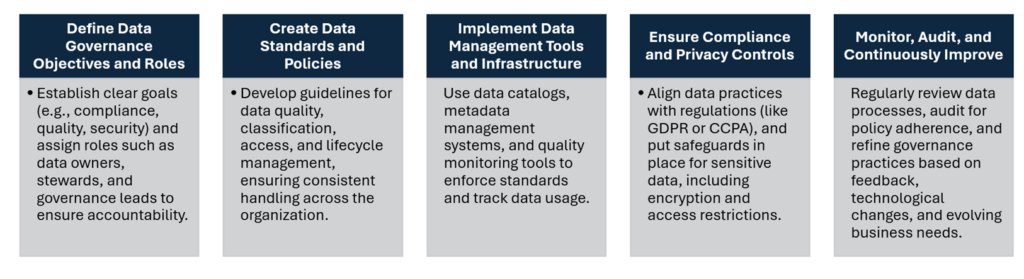
Data Governance Necessities: The 5 Pillars for Responsible AI

Enabling Data Quality and Model Reliability

One of the most important contributions of data governance to AI development is enabling data quality and consistency. AI models, particularly those using machine learning, are only as good as the data they are trained on. Inconsistent or inaccurate data can lead to flawed insights or unpredictable behavior. By establishing rules around data entry, classification, and lineage, data governance ensures that organizations maintain high standards of data quality throughout their pipelines. This allows AI to function with higher accuracy and greater reliability.

Promoting Transparency and Accountability in AI

Another area where data governance proves vital is in ensuring transparency and accountability. As AI systems increasingly impact decisions in areas such as finance, healthcare, and criminal justice, there is growing demand for explainability. Stakeholders, including regulators and consumers, want to understand how decisions are made. Data governance supports this by enforcing documentation of data sources, transformation processes, and access controls. When integrated into AI workflows, these governance mechanisms allow organizations to trace decisions back to the underlying data, thereby enhancing trust and supporting regulatory compliance.

Safeguarding Privacy and Security

Security and privacy are also deeply intertwined with data governance, especially when AI systems handle sensitive personal or financial information. Proper data governance frameworks help organizations classify data based on sensitivity, enforce access controls, and comply with data protection laws such as the GDPR or CCPA. In AI systems, which often aggregate and analyze vast quantities of personal data, this governance ensures that privacy risks are mitigated and ethical standards are upheld.

Empowering Innovation Through Controlled Access

Moreover, data governance enables data democratization without sacrificing control. In many organizations, AI projects are driven by different teams across departments. With a sound governance framework in place, organizations can empower these teams with the right data while maintaining oversight. This accelerates innovation and reduces the friction that often arises from siloed or inaccessible data.

The Consequences of Neglecting Data Governance

Conversely, the absence of data governance during AI adoption can lead to a cascade of issues. Poor data quality can cause models to misfire, potentially resulting in financial loss or reputational damage. For example, an AI system trained on biased data may make discriminatory decisions, leading to public backlash or legal challenges. Additionally, without clear data ownership or access policies, data silos may proliferate, hampering collaboration and scalability of AI initiatives.

Compliance Risks and the “Black Box” Problem

The lack of governance also increases the risk of non-compliance with data protection laws. AI systems often process personal data, and without appropriate controls, organizations risk violating regulations, facing heavy fines, or suffering data breaches. Moreover, in the absence of documentation and metadata management, AI outputs become black boxes – difficult to audit, explain, or improve. This opacity erodes trust among users and stakeholders and undermines the long-term viability of AI solutions.

Governance First, Then AI

Organizations seeking to harness the power of AI must first ensure that their data is governed with rigor and foresight. Without this foundation, the promise of AI can quickly turn into a perilous journey marked by errors, inefficiencies, and missed opportunities.

We would like to thank Dr Dimitrios Marinos for his dedication and for sharing these valuable insights.


Start your career with the MSc in Applied Information and Data Science now!
Register and join us for a free online Info-Event:

Monday, 26 May 2026 (Online, German)
Monday, 8 June 2026 (Online, German)
Monday, 10 August 2026 (Online, English)
Monday, 7 September 2026 (Online, German)
Monday, 5 October 2026 (Online, English)

Programme Info: MSc in Applied Information and Data Science
More Field Reports & Experiences: Professional portraits & study insights
Frequently Asked Questions: FAQ
fh-zentralschweiz